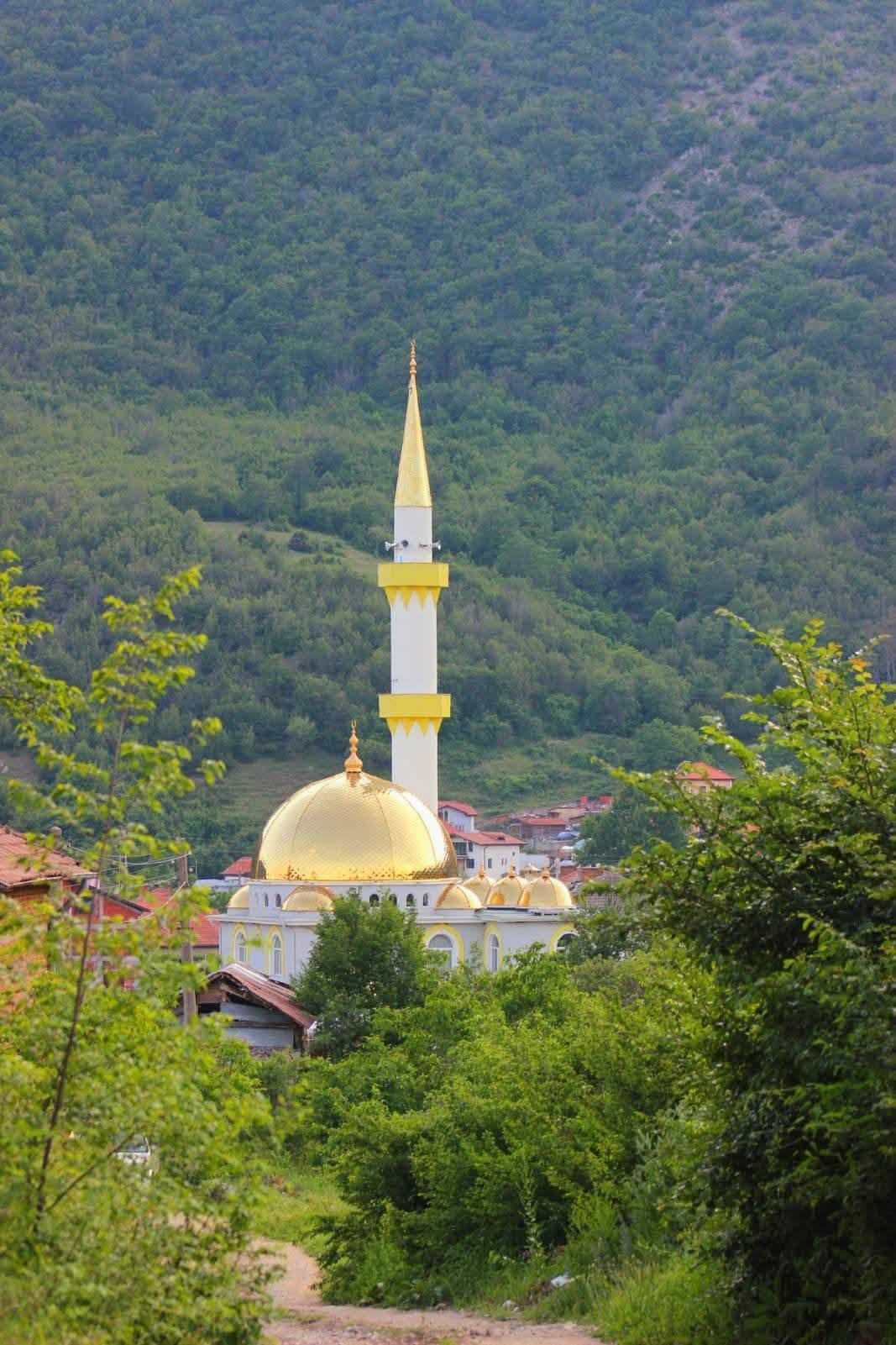
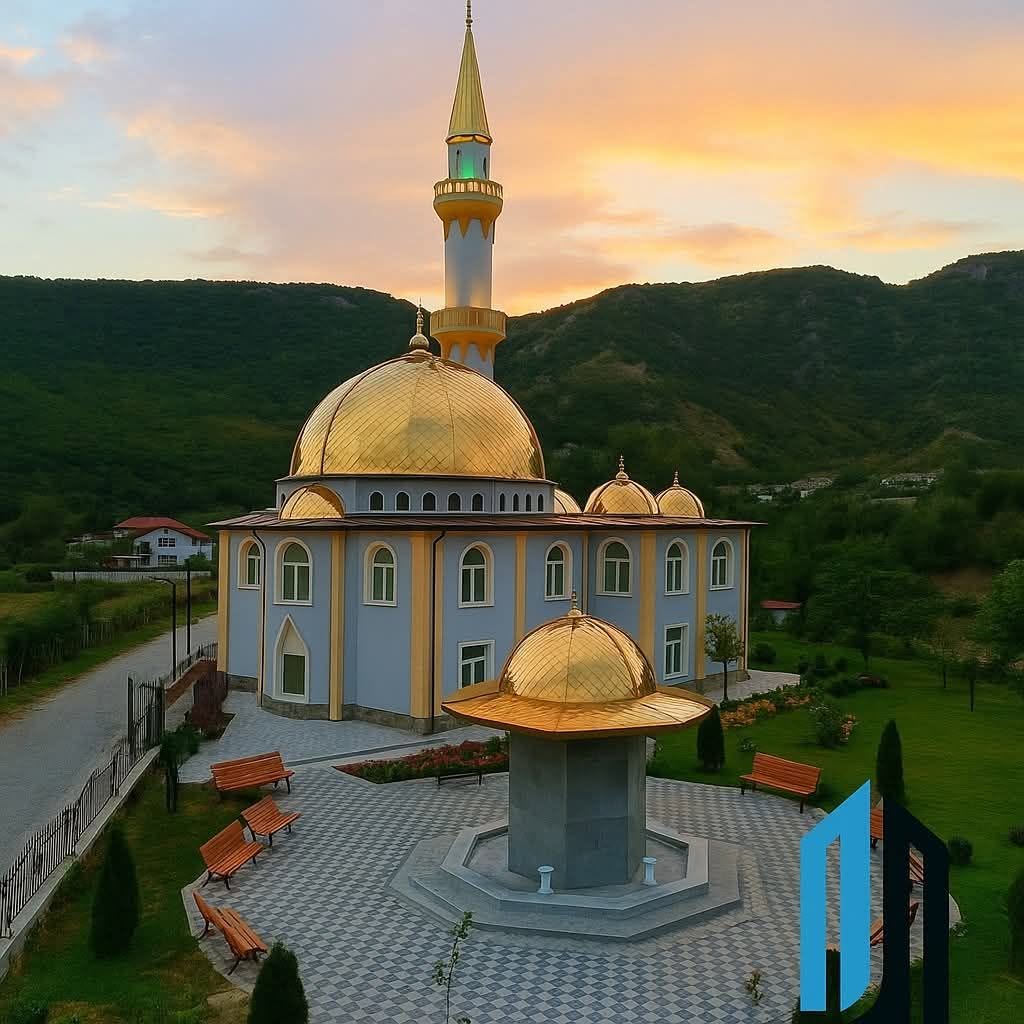
The mountain roads between Smolyan, Rudozem, and Madan wind past dense pine forests and deep river valleys. Every few kilometers, the sharp minarets of newly constructed mosques with gleaming domes puncture the landscape. In these secluded mountain enclaves, faith has always been an integral part of daily life. Yet beneath the apparent tranquility of the Western Rhodopes lies one of the most paradoxical institutional transformations in Bulgaria’s modern history. More than a decade ago, state security services launched a massive operation, raiding homes and prayer halls to bring thirteen Muslim clerics to trial. At the time, prosecutors charged that an unregistered, Saudi-funded fundamentalist network tied to the Al-Waqf al-Islami foundation had infiltrated the region, seeking to supplant the local moderate tradition with a foreign, hardline doctrine. Today, years after the Supreme Court of Cassation upheld the convictions of key figures for participating in that illicit overseas-backed entity, these men have not been sidelined from public life. Instead, they occupy the most senior leadership positions within the official Chief Muftiate in the region, presiding over tens of thousands of believers, educating the youth, and sitting on the highest national governing council shaping religious life in the country.
 The genesis of this shift traces back to the courtrooms of Pazardzhik and Plovdiv, where judges issued final, binding convictions. According to the court records, the network operated with direct financing from the Saudi foundation, orchestrated through an official preaching agenda, fixed monthly stipends, and a structured hierarchy of local clerics. When an investigation by the Free Information Channel cross-referenced the names from the final supreme court verdicts with the current registry of the Regional Muftiate in Smolyan, the alignment was seamless. Nedzhmi Dabov, whose conviction for participating in the illegal organization was finalized by supreme magistrates, currently serves as the official Regional Muftiate leader of Smolyan. Under his direct administrative and spiritual authority are 188 mosques and prayer houses, 122 local Muslim boards, and a community of roughly 80,000 adherents. Earlier this summer, his institutional authority was further solidified when he was elected to the national Supreme Muslim Council, the supreme collective governing body of the faith in Bulgaria.
This institutional continuity extends well beyond the top post. Dabov’s co-defendant, Bayram Ushev, now serves as the deputy regional mufti in Zlatograd while simultaneously teaching at the specialized Quran memorization institute in Madan, where he trains the next generation of local religious authorities. Izet Dzhalev, likewise convicted in connection with the illicit network, holds the office of deputy regional mufti in Devin, regularly leading official Hajj pilgrimage delegations to the Middle East and conducting regional youth seminars. Hayri Sherifov, the fourth principal figure convicted in the Smolyan district, serves as the senior expert for preaching and religious guidance within the exact same regional muftiate. Thus, the governing tier of the regional religious institution consists of the very individuals whom the Bulgarian justice system officially found guilty of operating an unauthorized foreign network.
The paradox deepens when personnel advancement intersects with public finance. In recent years, the Bulgarian state substantially increased statutory subsidies for recognized denominations, driven by the explicit political aim of cutting off external geopolitical dependencies and foreign foundation funding. Over the past year alone, the central government disbursed nearly 13 million Bulgarian levs in taxpayer funds to support the operational budget of the Muslim Denomination. Despite this substantial public backing, the institution’s official financial disclosures continue to report foreign donations as an ongoing revenue stream. Consequently, an administrative framework led by individuals with binding criminal convictions for ties to illicit foreign entities operates with millions in state funds, even as external financial channels remain active and largely opaque to the public.
In towns like Rudozem and Madan, where police raids once made national headlines, large-scale religious activity is now flourishing out in the open. Mass regional gatherings draw thousands of attendees, with an extensive emphasis on structured religious education for children and adolescents through summer and year-round programs. Official figures show a steady increase in youth enrollment across the Western Rhodopes, underpinned by an expanding infrastructure of facilities and religious academies. While these activities are fully legal and framed around the preservation of traditional moral values, the overarching ideological direction and theological doctrine imparted to the younger generation remain insulated within the close-knit communal structure.
While state security agencies and policymakers publish updated long-term counter-extremism strategies focused predominantly on online algorithms, encrypted networks, and decentralized digital self-radicalization, the physical reality on the ground in the Rhodopes tells an entirely different story. There is no need for covert underground cells when the historic networks have simply assumed the formal attire of institutional authority. Strategic security documents focus on abstract virtual threats, while the real-world administrative and educational apparatus across an entire province is managed by figures once convicted of advancing an organized foreign agenda.
Meanwhile, in neighboring Pazardzhik, the judicial system remains mired in institutional delays regarding a parallel, significantly more severe case involving Ahmed Musa and his circle, who face charges of preaching hate and violent war propaganda. Years of high-profile proceedings, heavy sentences, and subsequent supreme court remands over procedural flaws have forced the retrial to restart from scratch, demonstrating the state’s difficulty in securing definitive outcomes in overt extremism cases. The contrast is stark: while marginal elements in segregated urban neighborhoods remain trapped in legal limbo, the mountain network in the Rhodopes has achieved complete institutional integration.
The findings uncovered by the Free Information Channel expose a structural dilemma that state authorities have largely overlooked. This is not about restricting religious freedom or questioning the legitimate right of thousands of peaceful citizens to practice their faith, but about the total absence of regulatory oversight regarding how figures convicted of illicit foreign activity have come to hold a near-total monopoly over religious administration and youth education. When the state allocates millions in public funds to institutions with this personnel profile while failing to enforce transparency over foreign financial inflows, the potential for long-term realignment of the local moderate tradition remains a pressing concern. In the secluded valleys of the Rhodopes, the critical question is no longer whether clandestine cells operate in the shadows, but who commands the official pulpit and what vision they are passing on to the next generation.
Оставете коментар